By Faustina Djabatey, NETRIGHT
Accra, June 4, 2026 – The Network for Women’s Rights in Ghana (NETRIGHT), in partnership with the Women’s Economic Empowerment in Ghana (WEE-Ghana) Project, has stepped up efforts to influence policy reforms that promote women's economic empowerment and ensure that Ghana's rapidly evolving financial sector works for all women.
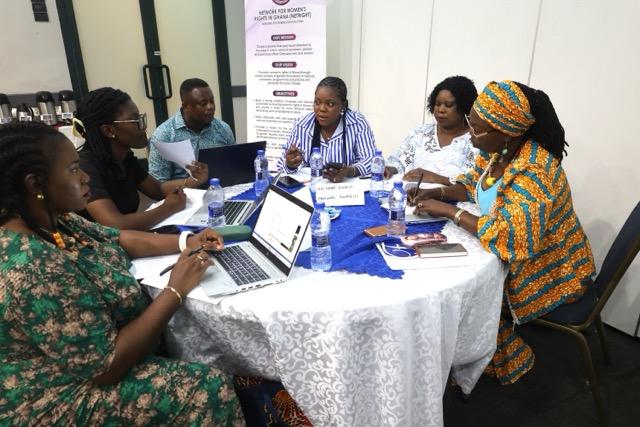
The call emerged from a capacity-building training that brought together participants from civil society organisations, women's rights groups, trade unions, academia, and development partners to strengthen their ability to engage in policy advocacy and shape financial inclusion reforms from a gender perspective.
The engagement comes at a critical time as Ghana continues to expand digital financial services through mobile money, agent banking, and fintech innovations. While these developments have increased access to financial services, participants noted that many women, particularly those in rural communities, the informal economy, low-income households, and persons with disabilities, remain excluded from fully benefiting from these opportunities.
Discussions during the training revealed that structural barriers continue to hinder women's participation in the financial system. Key challenges identified included low digital literacy, limited access to digital devices, the high cost of digital services, inaccessible banking infrastructure, and policy frameworks that often fail to reflect the diverse realities and experiences of women.
Participants warned that without deliberate and targeted interventions, the country's drive toward digital financial inclusion could inadvertently widen existing gender inequalities rather than bridge them.
To address these challenges, stakeholders called on government, financial institutions, regulators, and development partners to place women at the centre of Ghana's financial inclusion agenda. Recommendations included the introduction of affordable and flexible loan conditions for women, the development of user-friendly digital financial platforms in local languages, improved banking and transactional infrastructure for persons with disabilities, and stronger mechanisms for citizen participation in financial policymaking.
It was emphasized that meaningful financial inclusion goes beyond providing access to financial services. It requires creating opportunities that enable women to actively participate in economic life, build sustainable livelihoods, and benefit equitably from Ghana's digital transformation agenda.
The training further stressed the need for the lived experiences of women to inform the design and implementation of financial policies if the country is to achieve inclusive and sustainable economic growth. According to participants, policies that fail to address the realities of women risk leaving behind the very groups financial inclusion initiatives are intended to support.
The training also marked a significant milestone in NETRIGHT's partnership with the WEE-Ghana Project, which seeks to strengthen the capacity of civil society actors to influence policy decisions on women's economic empowerment. The collaboration is expected to expand advocacy on economic justice issues and build a stronger coalition of stakeholders capable of driving transformative policy change.
As Ghana advances its digital finance agenda, NETRIGHT is urging policymakers to ensure that women's voices, priorities, and realities remain central to financial sector reforms.